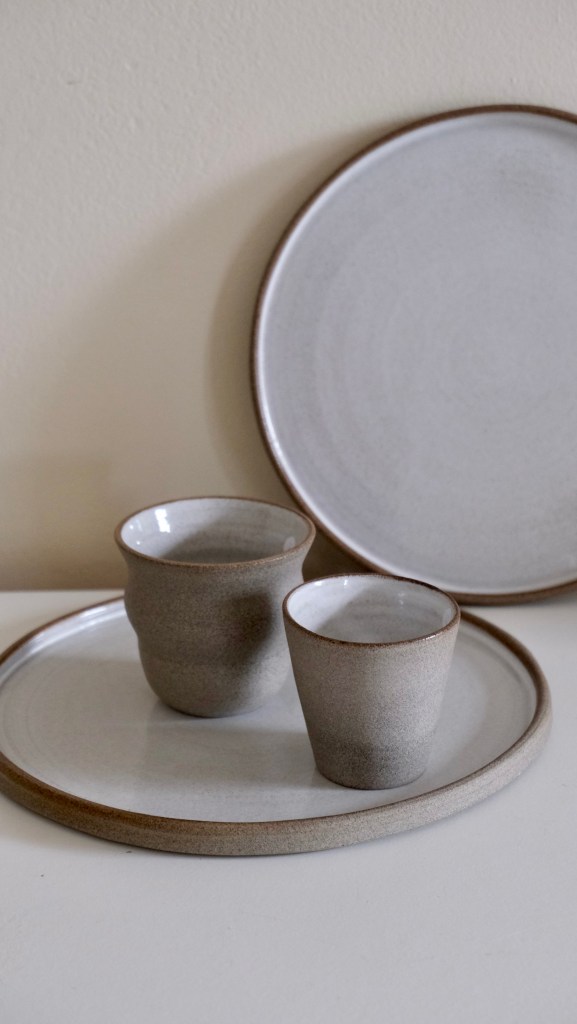
In 2019, ceramicist Frida took her first ceramics class and quickly discovered that clay was more than just a material — it was a constant source of discovery. What began with a short wheel-throwing course soon became a practice she couldn’t step away from. Six years later, her work is closely connected to food, creating tableware that goes beyond function, pieces that influence the way meals are enjoyed. Her practice looks at the relationship between ceramics and food, where texture, weight, and shape become part of the dining experience.
“Clay constantly keeps me on my toes — even after six years, it still surprises me.”
Frida’s first pieces were commissioned by friends working in hospitality. She laughs now at those early attempts, but they were the foundation for what today has become a refined and thoughtful practice. From the start, her focus has been on function — making pieces that fit easily into daily life while adding meaning to everyday rituals like eating and drinking.
“While my work has developed, the origin, the core of why I started, has remained the same.”
The Dining Experience
Collaboration has always been central to Frida’s journey. She has worked with prestigious restaurants and chefs across Manchester, all of whom share a passion for elevating food through handmade ceramics.
“It’s a joy to collaborate with such innovative spaces and to be part of the customer’s overall experience,” she says.
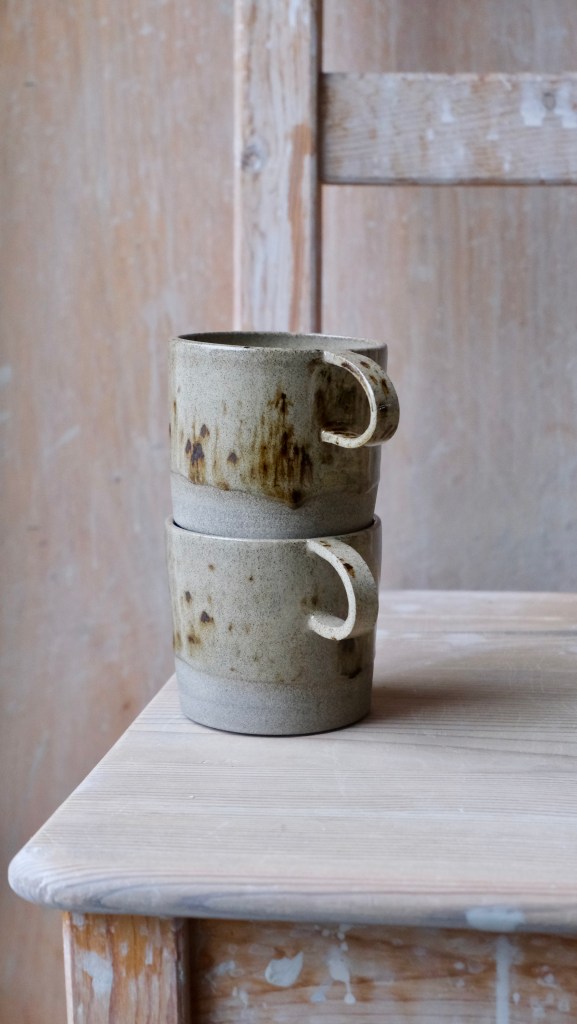
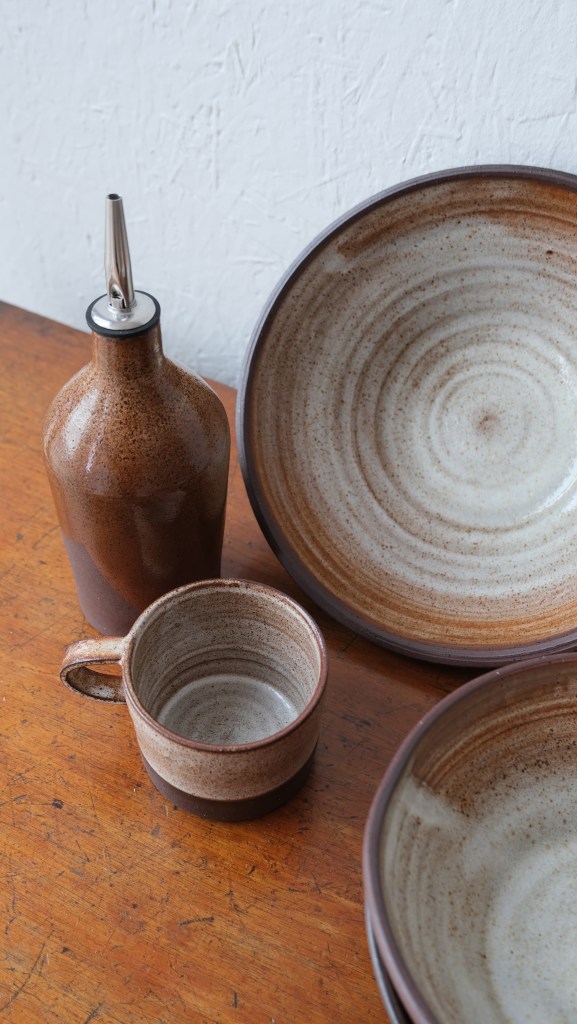
For Frida, ceramics are not just tableware but part of the sensory experience of dining. The way a dish feels in your hands, the texture of a cup, or the weight of a plate can completely transform how a meal is enjoyed.
“Ceramics, when paired with great food, become a full sensory experience. Even something as simple as drinking a morning coffee becomes more special when enjoyed from a handmade cup.”
This connection between food and clay has personal roots. Growing up, Frida’s father collected work from independent ceramicists and even experimented with making his own pieces. Their family meals were served on a mismatched set of handmade plates and cups, each carrying its own story. The care put into the food mirrored the care in those objects — a memory that continues to influence her work today.
Life in the Studio
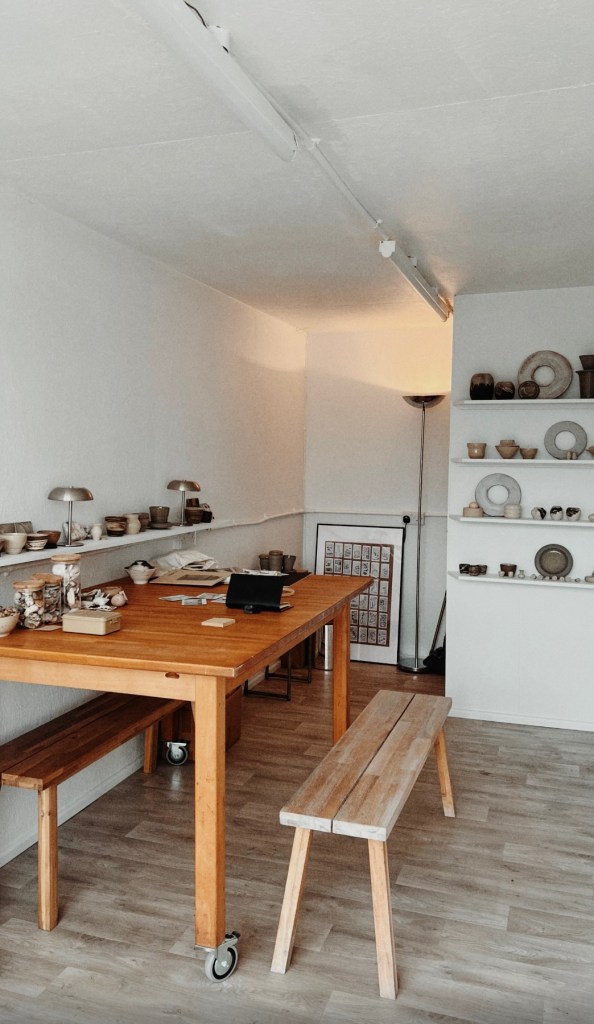
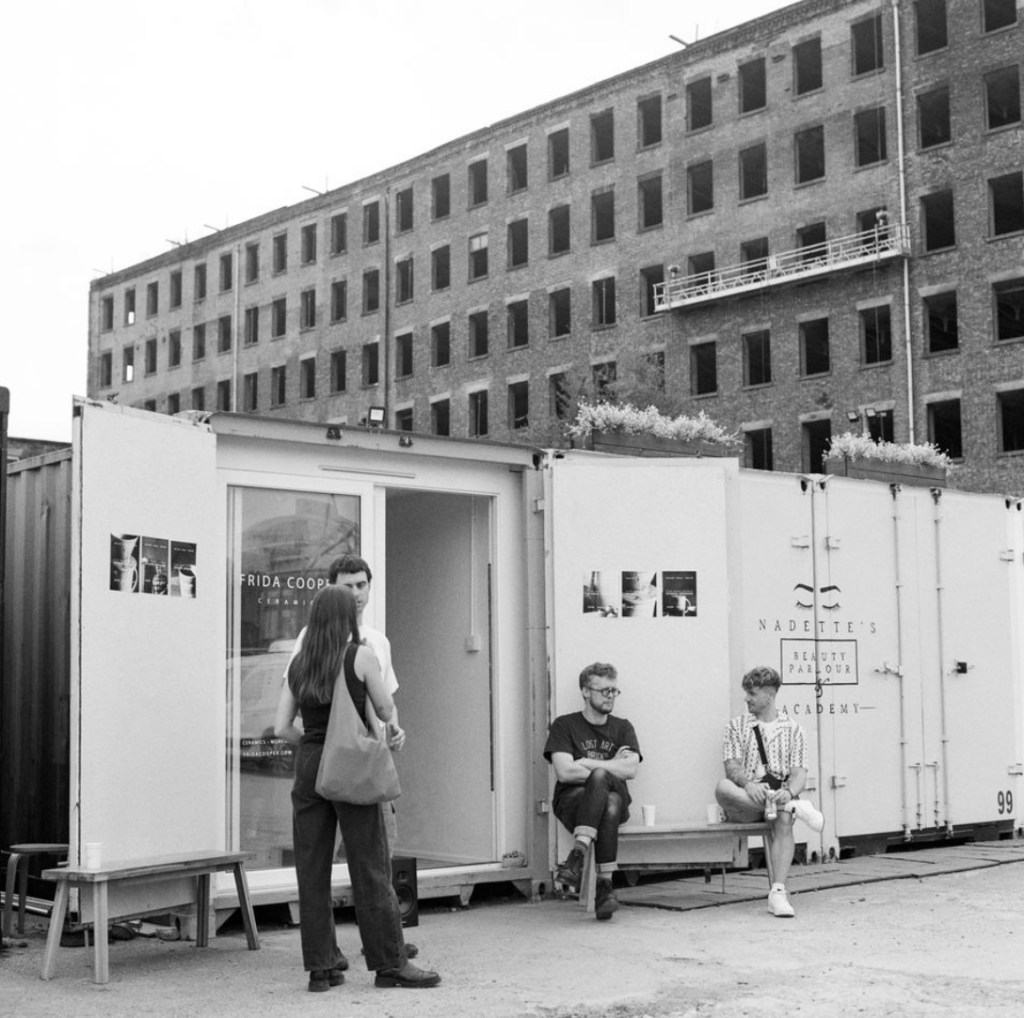
Frida’s studio is based in two converted shipping containers at Pollard Yard in Manchester. One serves as a lively, messy space where clay is shaped and ideas take form, while the other functions as a gallery, classroom, and shop — a place to share work and welcome others into the process.
“No two weeks are the same — that’s what keeps the work exciting.”
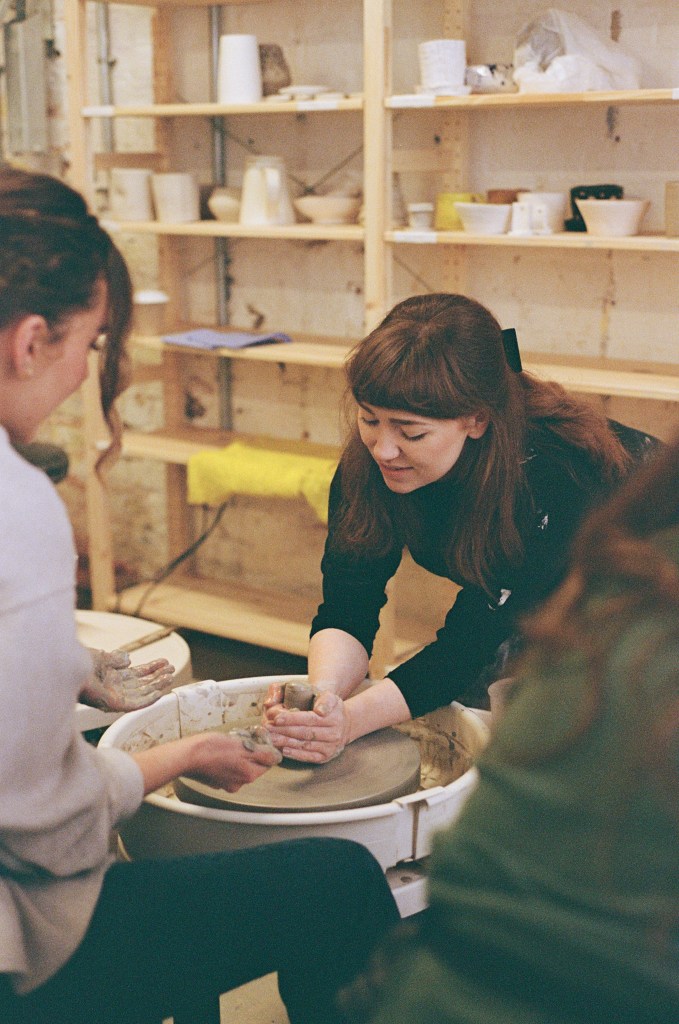
Some days are spent on commissions, others on exhibitions or pop-ups, but there is always time reserved for experimentation. Teaching has also become an important part of her practice. Her workshops give people not only the chance to work with clay but also the space to connect, and create with their own hands.
“These gatherings are as much about community and care as they are about ceramics.”

Looking Forward
At the core of Frida’s philosophy is a belief in what handmade objects bring to everyday life. While mass-produced items are practical and functional, handmade pieces carry the touch of the maker, adding texture, weight, and meaning to simple acts like drinking coffee or sharing a meal.
“Things taste better on a handmade plate.”
Looking ahead, Frida is eager to expand beyond functional wares into more sculptural and experimental forms. She’s interested in working with locally sourced clays, new glazes, and sustainable practices, while continuing to explore collaborations both within and beyond the world of food. Taking her practice full-time has opened up space for new risks — and she’s curious to see where that freedom will lead.
From her first class in 2019 to her busy Manchester studio today, Frida has built a practice rooted in curiosity, collaboration, and care. Her work reminds us that ceramics are more than objects on a table — they influence the way we gather, eat, and connect.
Discover Frida’s work on her website